Key Highlights
- The job market is changing fast. The World Economic Forum expects 170 million new jobs by 2030, with around 39% of current skills changing.
- Academics alone aren't enough any more. Children need to apply what they know, ask questions and keep learning as careers shift.
- Six future-ready skills matter most: critical thinking, creativity, collaboration, digital and AI literacy, adaptability, and emotional intelligence.
- NPS Hosur Road builds these skills every day through its STEM Lab, Life Skills programme, arts, sport and mentoring teachers. A parent checklist table helps families compare schools.
- Future-ready education prepares children for industries yet to be created. Admissions for 2027-28 are now open at NPS Hosur Road.
Think back to your own school days. Did anyone in your class dream of becoming a cloud engineer or a drone pilot? Probably not, because those jobs barely existed. A child in Grade 8 today will finish school around 2031. So which skills for the future will help them feel ready, whatever comes next?
The Future Job Market Is Evolving Rapidly
The World Economic Forum's Future of Jobs Report 2025 expects 170 million new jobs worldwide by 2030 and says around 39% of workers' current skills will change or become outdated. Parents see this shift daily, and the future IT jobs in demand 2031 will favour people who keep learning.
Why Schools Must Prepare Students for Careers That May Not Exist Today
No one can train a child for a job that hasn't been invented. A school can, however, help them become someone who figures things out. Strong 21st century skills and education build exactly that: the habit of learning, testing ideas and bouncing back.
Why Traditional Learning Alone Is No Longer Enough
Marks still matter, and strong CBSE results open doors. Yet facts are now a tap away on any phone. The best schools in Bangalore are pairing solid academics with projects and discussion, so children learn to apply what they know.
Essential Future-Ready Skills for 2031 and Beyond
Critical Thinking and Problem-Solving
Ever had your child question something you said at dinner? That's critical thinking. It helps them weigh information, spot what doesn't add up and decide what to do next.
Creativity and Innovation
Give a child a cardboard box and they'll build a rocket. Keep that instinct alive, because tomorrow's industries will run on fresh ideas.
Communication and Collaboration
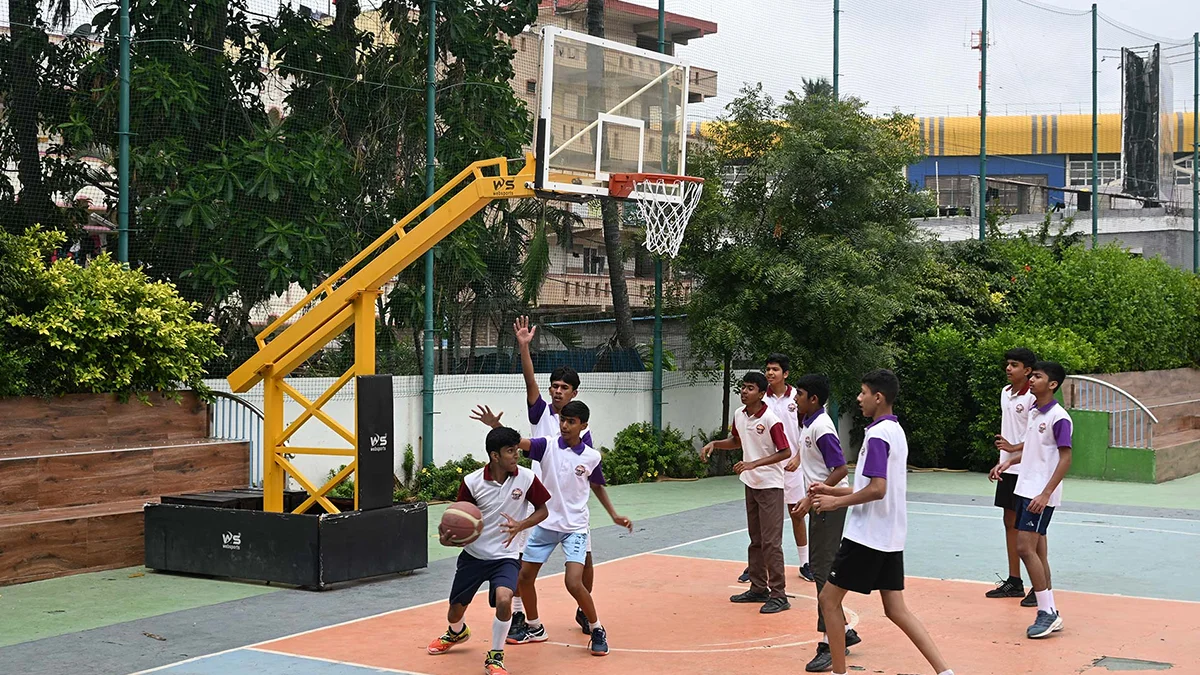
Most work happens in teams. Children need to explain ideas, listen properly and disagree politely. A tight football match teaches this surprisingly well.
Digital and AI Literacy
Children should know how technology works, use AI tools sensibly and stay safe online. Think about the future IT jobs in demand 2031: most will involve working alongside AI.
Adaptability and Lifelong Learning
Plans change. Careers will too, probably more than once. Children who treat mistakes as part of learning adjust calmly when that happens.
Leadership, Empathy, and Emotional Intelligence
A computer can sort data in seconds, but it won't notice a classmate having a rough day. Empathy is what turns capable children into leaders people trust.
How Schools Can Build These Skills
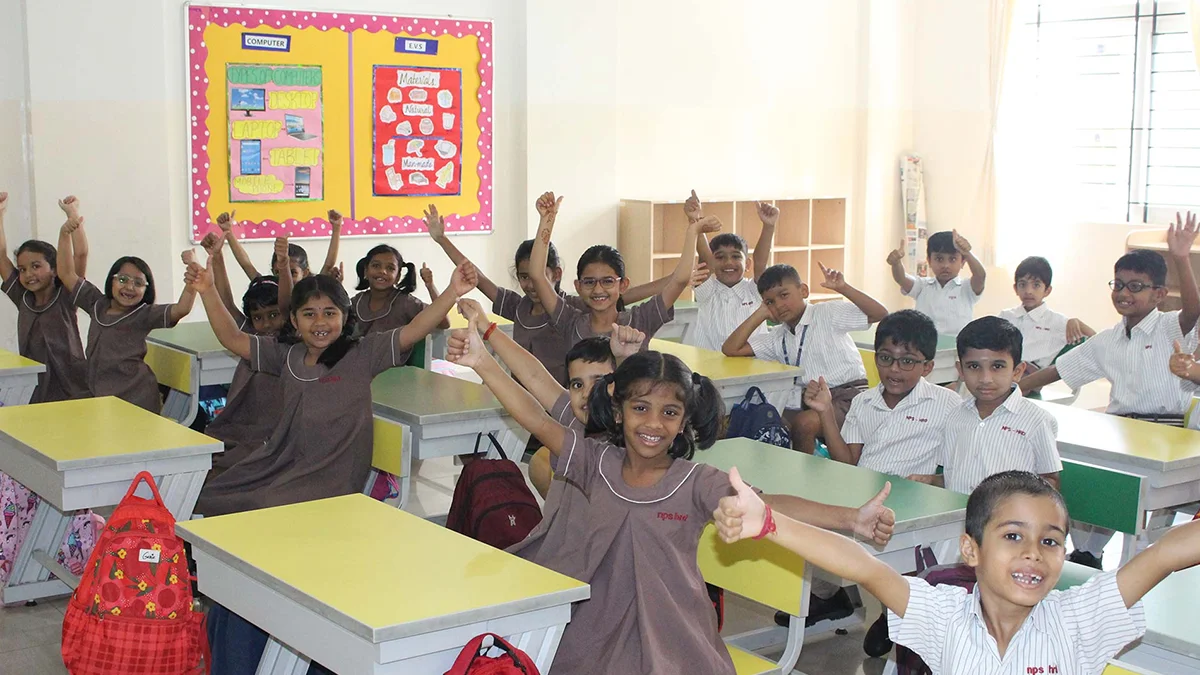
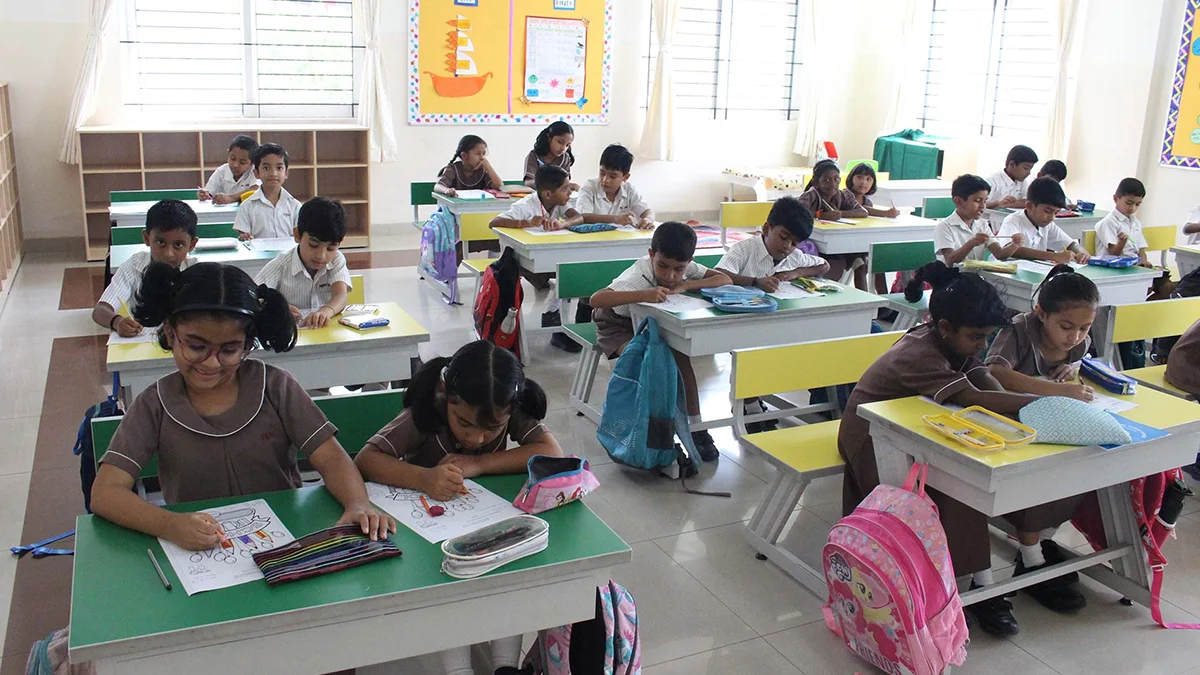
At NPS Hosur Road, our STEM Lab encourages hands-on, project-based learning, and our Life Skills programme helps students manage emotions and communicate well. Arts, sport and Newspaper in Education add creativity and awareness. Like the best CBSE schools in Bangalore, we combine this with smart classrooms and teachers who mentor. This checklist may help when you visit schools:
| School Selection Factor | What to Look For | Benefit for Students |
|---|---|---|
| Hands-on learning | STEM labs, projects and experiments | Builds problem-solving and curiosity |
| Technology use | Smart classrooms and digital safety guidance | Develops digital and AI confidence |
| Life skills | Programmes on emotions and communication | Strengthens empathy and self-belief |
| Co-scholastic activities | Arts, sport, music and clubs | Encourages creativity and teamwork |
| Pastoral care | Counselling and mentoring teachers | Supports wellbeing and resilience |
Preparing Students for Future Careers
Interests often start small, like a broken toy car your child won't throw away until they've seen what's inside. Good 21st century skills and education turn those sparks into direction. At home, let them try things without fear of failing.
Conclusion
We can't name every industry of 2031, and that's alright. Future-ready education equips students to thrive in industries yet to be created, and schools play a vital role in shaping adaptable, innovative and resilient learners.
If you're exploring schools admission in Bangalore, come and see how NPS Hosur Road blends strong CBSE academics with values and hands-on learning. Registrations for 2027-28 are open. Visit www.npshrd.com or call +91 80278 49699.
Frequently asked questions
What are future-ready skills?
Future-ready skills are abilities like critical thinking, creativity, communication, digital literacy and emotional intelligence. These skills for the future help children adapt and succeed, whatever careers emerge in the years ahead.
Why is AI literacy important for students?
AI is becoming part of everyday work. Students who understand how it works, and how to use it responsibly, will feel confident and capable in almost any future career.
How can schools prepare students for jobs that do not exist yet?
Schools can focus on transferable skills through project-based learning, STEM activities, life skills programmes and co-scholastic opportunities, helping children learn how to learn, adapt quickly and solve unfamiliar problems.
Which skills will be most valuable in 2031 and beyond?
Critical thinking, creativity, collaboration, digital and AI literacy, adaptability and emotional intelligence are expected to matter most, since they transfer easily across industries and are hard for machines to replace.
How do future-ready skills support long-term career success?
They help people keep learning, switch roles smoothly and handle change calmly. Instead of relying on one qualification, students build a toolkit they can use and grow throughout their working lives.