Key Takeaways
Holistic development:
- Supports academic and personal growth.
- Builds confidence and emotional well-being.
- Develops social and communication skills.
- Encourages sports and creative activities.
- Strengthens critical thinking and problem-solving.
- Prepares students for lifelong success.
Every parent wants the best for their child. But what does the best really mean? A high score is wonderful, yet it is only one part of the picture. A happy, confident child has far more going for them than a number can show.
Success today goes beyond marks and rank lists. Colleges and employers look for young people who can think clearly, work with others and stay calm under pressure. That is why many families now ask about the holistic development of students when they compare schools.
In this guide, we explain what holistic development means and how it shapes your child’s future. We also look at how a school like NPS Hosur Road approaches it, and what you can do at home.
What Is Holistic Development?
Holistic development means nurturing every side of a child, not only the academic one. It includes intellectual, social, emotional, physical and creative growth. Think of a balanced plate. If one portion is missing, the meal feels incomplete.
The foundation is laid early. Good Early learning childhood education helps children build curiosity, language and confidence before formal schooling begins. Programmes rooted in early childhood care and development also support a child’s wellbeing, routines, and sense of safety.
Balanced learning matters a lot. Your child who struggles with algebra may shine on stage. A shy child may lead beautifully on the sports field. When a school offers varied experiences, every child finds a place to grow. School years should feel like a journey, not a race. Marks matter, but so do kindness, courage and curiosity.
Long-Term Benefits of Holistic Development
Here is a glimpse of how a well-rounded education pays off over the years.
1. Strong Academic Performance
Healthy, happy children learn better. The co-scholastic programme at NPS Hosur Road points out that physical activity and fitness support both health and academic performance. It also notes that the imagination and experimentation involved in art build higher-level thinking. This is the holistic development of students at work: when a child is rested and engaged, results often follow.
2. Better Social and Communication Skills
Team sports, group projects and school events teach children to listen, share and speak up. NPS Hosur Road includes a Life Skills programme in its curriculum, which helps students communicate effectively and manage relationships with others. These habits support friendships now and workplace relationships later.
3. Greater Emotional Resilience
Life rarely goes exactly to plan. Children who learn to handle setbacks grow into adults who can bounce back. The school offers age-appropriate guidance programmes for self-awareness, self-expression and resilience, and counselling is available when required. Physical education adds discipline, patience and stress-management skills.
4. Enhanced Creativity and Critical Thinking
When children build, test and fix things, they stop memorising answers and start solving problems. The fully equipped STEM Lab at NPS Hosur Road supports hands-on, project-based learning where students learn by doing and creating. Music, dance, theatre and visual arts nurture imagination alongside it.
5. Improved Leadership and Confidence
Confidence grows when children are trusted with responsibility. The school’s programmes on empathy, respect, leadership and community service build this steadily. Performing with the school band on Independence Day, Republic Day or Sports Day also teaches a young musician to handle nerves. Students are even encouraged to suggest new co-scholastic activities.
6. Preparation for Future Careers
Tomorrow’s workplaces reward adaptability, teamwork and communication as much as knowledge. The school’s mission aims to equip students with the skills and competencies they need for life beyond school. Strong results matter too, and NPS Hosur Road reported a 100% pass rate for its Grade 12 students in the 2026 examinations.
How Schools Support Holistic Development
1. Co-curricular activities and sports
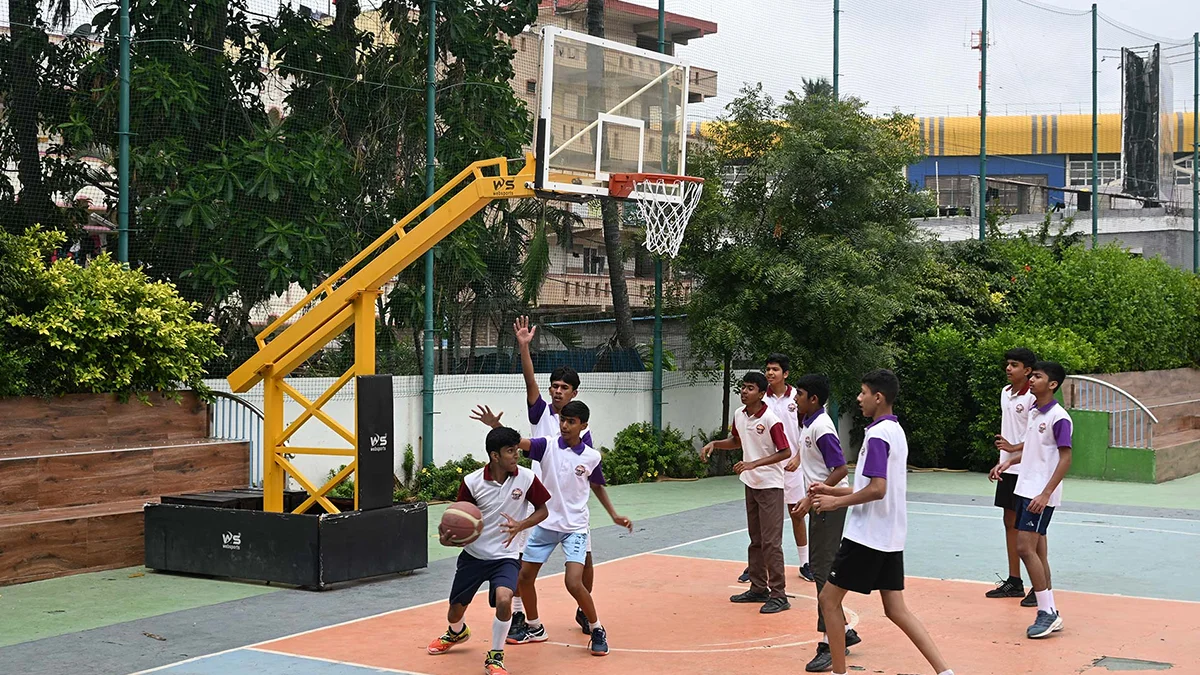
Students at NPS Hosur Road can choose from football, throw-ball, volleyball, basketball, badminton, tennis, table tennis, cricket, yoga, aerobics and athletics. Families comparing the best CBSE schools in Bangalore will find that this variety helps children discover what they truly enjoy. The Times of India-organised Newspaper in Education programme adds general knowledge and social awareness.
2. Arts, leadership programmes and community engagement
The arts, life skills lessons and community service programmes give children space to express themselves and lead. An 800-seater multi-purpose auditorium offers a proper stage for performances.
3. Student wellbeing initiatives
Teachers act as mentors beyond academics, and classrooms embrace individual differences. Parents are included too, through orientation programmes on child development, digital wellness and adolescent issues.
The early years get special attention. The school has a pre-school block spread over two acres, with a sprawling playground, alongside its Glow Montessori Centre. Such a setting supports early childhood care and development in a safe, joyful space.
How Parents Can Encourage Holistic Growth
1. Supporting interests beyond academics
Ask your child what they enjoyed most today, and mean it. If they love drawing, cricket or coding, make room for it. You do not need to fill every evening with classes. Even one chosen activity builds focus and joy. Celebrate effort, not just results, so your child learns to keep trying.
2. Creating opportunities for balanced development
Aim for a steady rhythm of study, play, reading, family time and sleep. Keep screens in check and attend school parent sessions when you can. The seeds of early learning and childhood education are sown at home through stories, songs and conversation.
3. Choosing a School: Key Factors at a Glance
If you are exploring school admissions in Bangalore, this quick table can help you compare your options.
| School Selection Factor | What to Look For | Benefit for Students |
|---|---|---|
| Curriculum | A recognised board such as CBSE with clear academic planning | Structured learning and fair assessment |
| Co-curricular and sports | Variety across arts, sports and life skills | Confidence, fitness and discovery of talents |
| Wellbeing and counselling | Caring mentors and access to a counsellor | Emotional security and resilience |
| Facilities | Labs, libraries, playgrounds and performance spaces | Hands-on learning and creative expression |
| Parent partnership | Regular orientations and open communication | Consistent support at school and at home |
Concluding Thoughts
Invest in the whole child, not just the report card. Holistic student development shapes confident, kind, and capable adults ready for whatever comes next. Schools provide the opportunities, and parents provide the encouragement. When both work together, children grow in every direction.
If you are comparing the best schools in Bangalore, do not just look at the brochure; ask how each one nurtures the whole child. A good conversation with the admissions team is definitely the place to begin.
FAQs
1. What is holistic development in education?
It is an approach that nurtures a child’s academic, social, emotional, physical, and creative growth. It begins with early childhood care and development and continues through every grade.
2. Why is holistic development important for students?
It builds confidence, resilience and people skills alongside knowledge. These qualities help children handle challenges in school, college and work.
3. How does holistic development support academic success?
Active, emotionally secure, and curious children tend to concentrate better. Sports, arts and hands-on learning refresh the mind and make lessons more meaningful.
4. What role do co-curricular activities play in student growth?
They let children explore talents, build teamwork and learn discipline. Activities such as sports, music and STEM projects also ease stress and boost self-belief.
5. How can parents encourage holistic development at home?
Support your child’s interests, keep a balanced routine and talk often. Simple early childhood education habits, like reading together, make a lasting difference.