Adolescence & Physical Changes
One of the key themes discussed was adolescence and physical changes. The teachers were sensitized to the various physical and emotional changes that occur during adolescence and the need to guide children with empathy and understanding.
This session reinforced the vital role of educators in supporting students through developmental transitions with sensitivity, compassion, and evidence-based guidance strategies.
Interpersonal Relationships
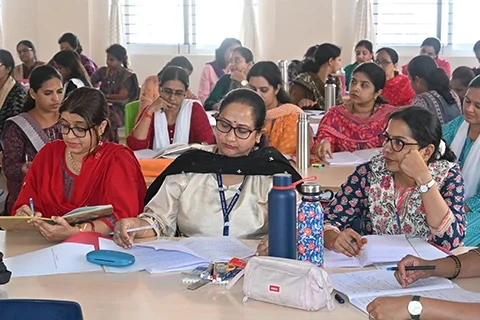
Another important theme was interpersonal relationships. Strategies for helping students build healthy and respectful relationships were discussed through interactive activities and group discussions.
Teachers were equipped with practical tools to foster positive peer connections, conflict resolution skills, and the ability to create inclusive classroom environments where all students feel valued and respected.
Gender Equality & Inclusivity
The workshop further addressed gender equality, highlighting the importance of treating all children equally regardless of gender. The trainers stressed the need to create an inclusive school environment that promotes dignity, equal opportunities, and respect for every student.
Practical strategies were shared for building bias-free classrooms and ensuring all students have equal access to academic and co-curricular opportunities regardless of gender or background.
Nutrition, Health & Sanitation
Sessions on nutrition, health, and sanitation focused on the importance of a balanced diet, regular physical activity, personal hygiene, and maintaining clean surroundings. Practical suggestions were shared on encouraging healthy eating habits and hygienic practices among school-going children to prevent illness and promote overall well-being.
Educators learned to model healthy behaviors and create school environments that support wellness initiatives and health consciousness among students.
Prevention & Management of Substance Abuse
The workshop highlighted prevention and management of substance abuse, where trainers discussed the harmful effects of addictive substances on children's physical and mental health. Participants were made aware of the warning signs of substance abuse and the importance of early identification, counselling, and preventive education in schools.
Teachers gained knowledge about intervention strategies, support resources, and their role as advocates in creating substance-free school communities.
Reproductive Health & HIV/AIDS Prevention
This topic emphasized age-appropriate health education, personal hygiene, reproductive health awareness, and the importance of eliminating myths and misconceptions surrounding HIV/AIDS.
The session equipped educators with accurate, scientific information and strategies to conduct sensitive, inclusive discussions that promote student health literacy and reduce stigma around reproductive and sexual health topics.
Mental Health & Wellness Training
21st March 2026 | Trainers: Dr. Manila Carvalho & Ms. Minakshi Vijay
Mental Health & Wellness Overview
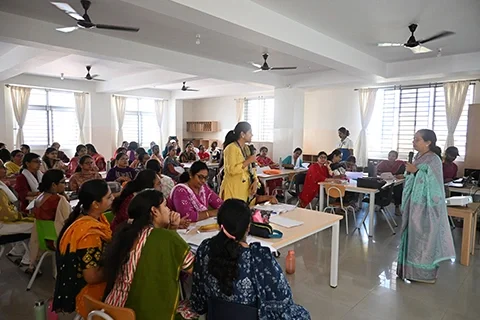
On 21st March 2026, a one-day offline CBSE training programme on "Mental Health and Wellness" was conducted by Dr. Manila Carvalho and Ms. Minakshi Vijay. The session focused on strengthening educators' understanding of student mental health and equipping them with practical strategies to foster a positive and supportive learning environment.
The workshop began by emphasizing the importance of mental health and well-being within the school ecosystem, highlighting that emotional wellness is essential for students' academic achievement, personal growth, and social development.
Educator Roles & Responsibilities
A significant part of the session focused on the roles and responsibilities of counsellors, special educators, and classroom teachers in promoting mental health. Each role was examined in detail to understand how educators can collaborate effectively to create comprehensive mental health support systems.
Teachers learned how their daily interactions and classroom practices directly impact student mental well-being and how to integrate mental health promotion into their teaching approach and classroom management strategies.
Common Causes of Mental Distress
The trainers explored the common causes of mental distress among students, including academic pressure, family-related issues, peer relationships, social expectations, and emotional challenges. Understanding these root causes is critical for educators to identify struggling students and provide appropriate support.
The session provided frameworks for recognizing how various stressors interact and compound, and how early intervention at school can mitigate negative mental health outcomes for vulnerable students.
Practical Strategies for Mental Wellness
Practical strategies for supporting students' mental health were discussed through interactive sessions, case studies, and group activities. The workshop highlighted the importance of active listening, empathy, positive communication, creating emotionally safe classrooms, and promoting resilience through social-emotional learning.
Teachers were equipped with concrete tools including communication techniques, conflict resolution approaches, and evidence-based interventions to use in their classrooms. Teachers were encouraged to build trusting relationships with students and foster an environment where learners feel comfortable seeking help without fear of judgment.
Building a Supportive School Community
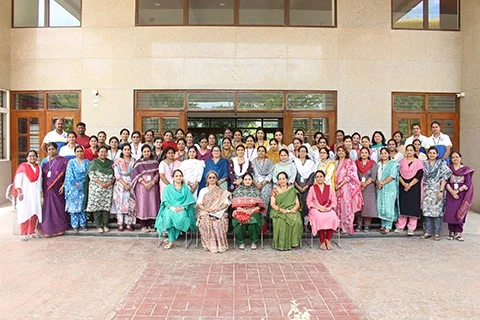
The programme was highly informative and empowering, equipping educators with the knowledge and practical approaches needed to promote mental wellness, identify students at risk, and support the holistic development of every learner.
The training concluded by reinforcing that mental health is a shared responsibility involving teachers, counsellors, parents, and the wider school community. Success in promoting student mental wellness requires coordinated efforts across all stakeholders and a whole-school approach to mental health.