
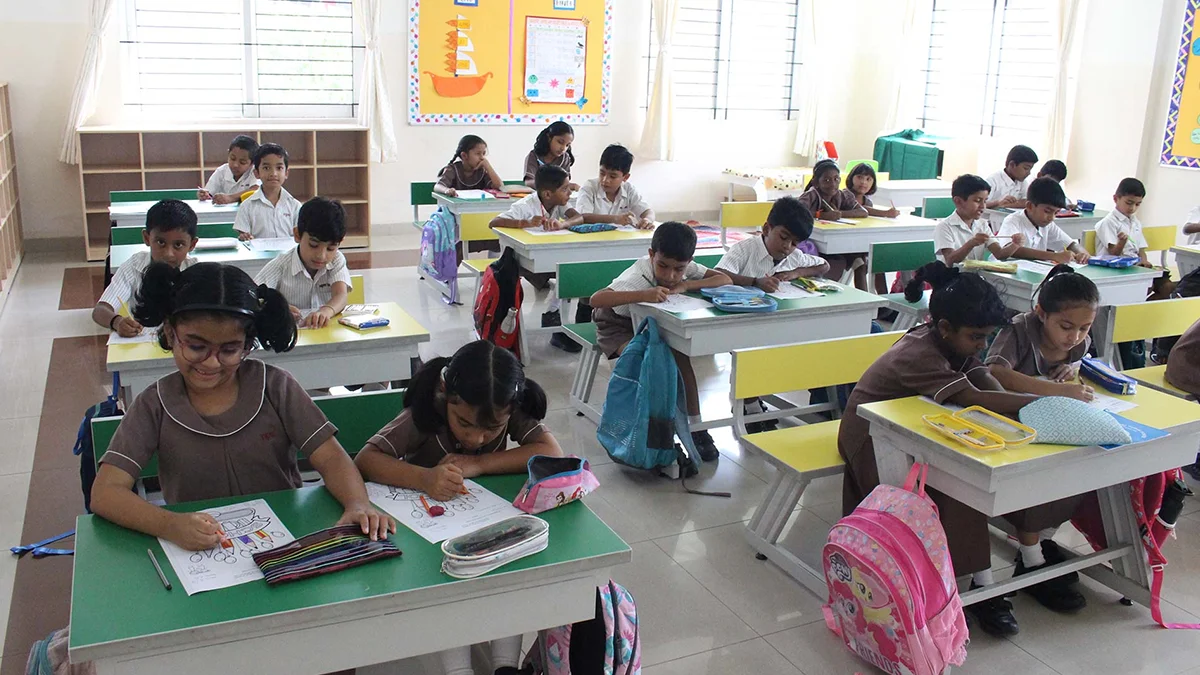

Promoting Mental Health & Well-being
The one-day offline training programme began with a focus on Promoting Mental Health and Well-being Among Students, emphasizing that emotional well-being is fundamental to students' academic success, personal growth, and overall development.
Participants gained comprehensive understanding of how mental wellness directly impacts educational outcomes and the importance of creating supportive learning environments that nurture holistic student development.
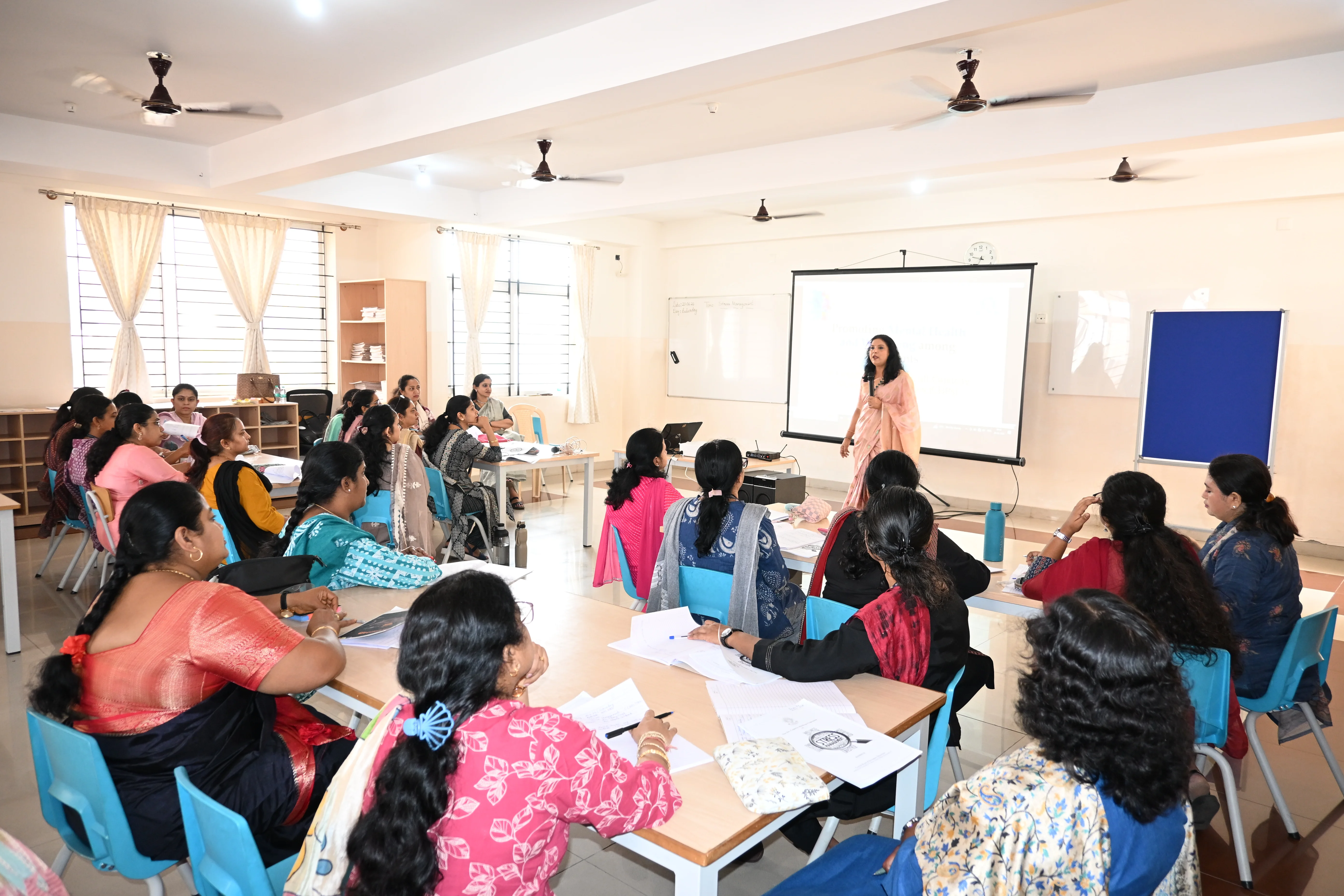
Understanding Stress & Its Impact
The main theme of the workshop was Stress Management. The trainers explained the concept of stress, its causes, and its impact on students' physical, emotional, behavioural, and academic well-being. Understanding stress as a multidimensional phenomenon helped educators recognize its complexity.
Participants learned that stress affects various dimensions of student development and that recognizing these impacts is crucial for effective intervention and support strategies in educational settings.
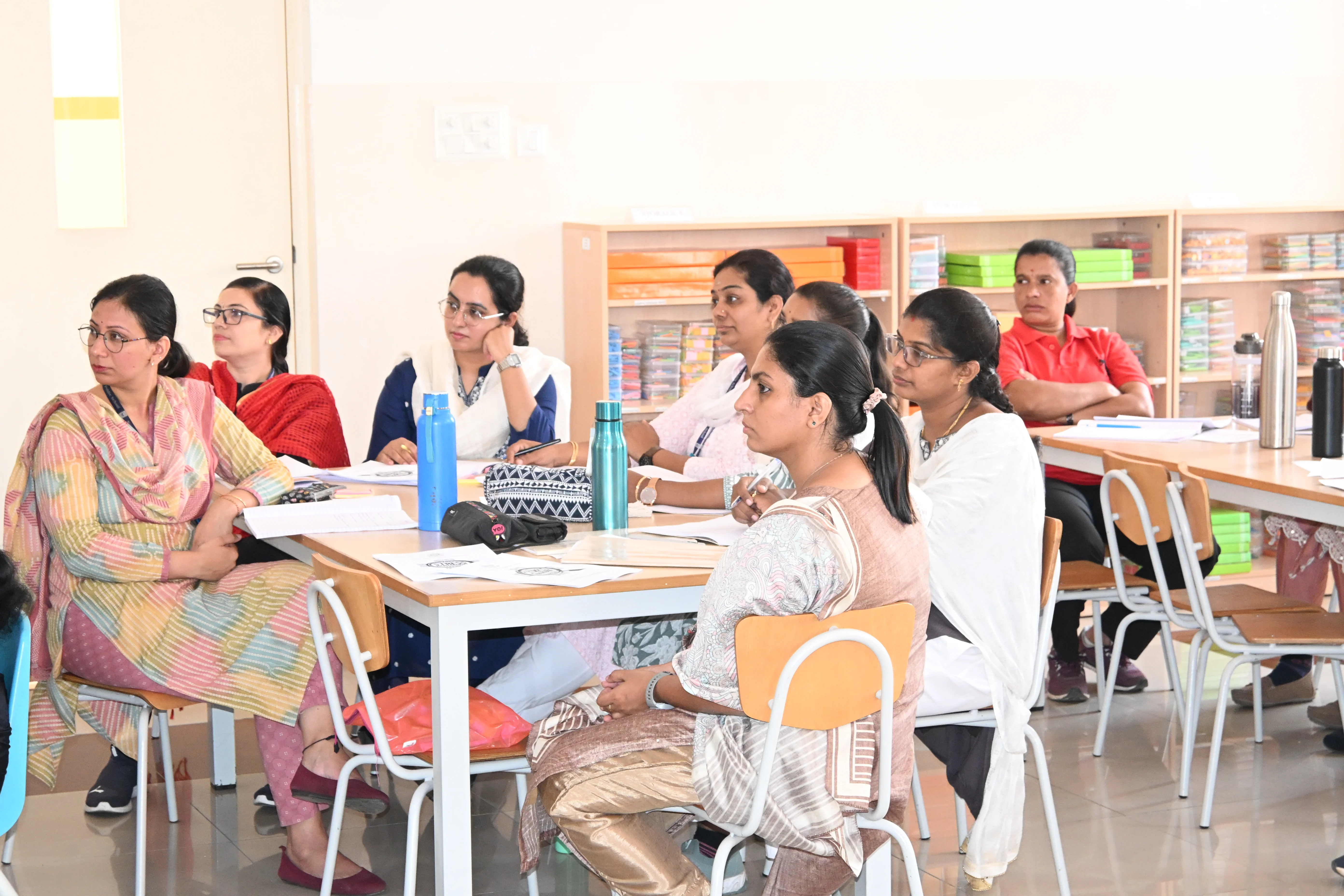
Common Sources of Stress in Students
Common sources of stress among school-going children, such as academic pressure, peer relationships, family expectations, social media influence, and examination anxiety, were discussed in detail. Understanding these specific stressors enables educators to identify struggling students more effectively.
The session explored how modern challenges, particularly social media and digital pressures, have created new stressors for contemporary students that require updated awareness and intervention approaches from educators.
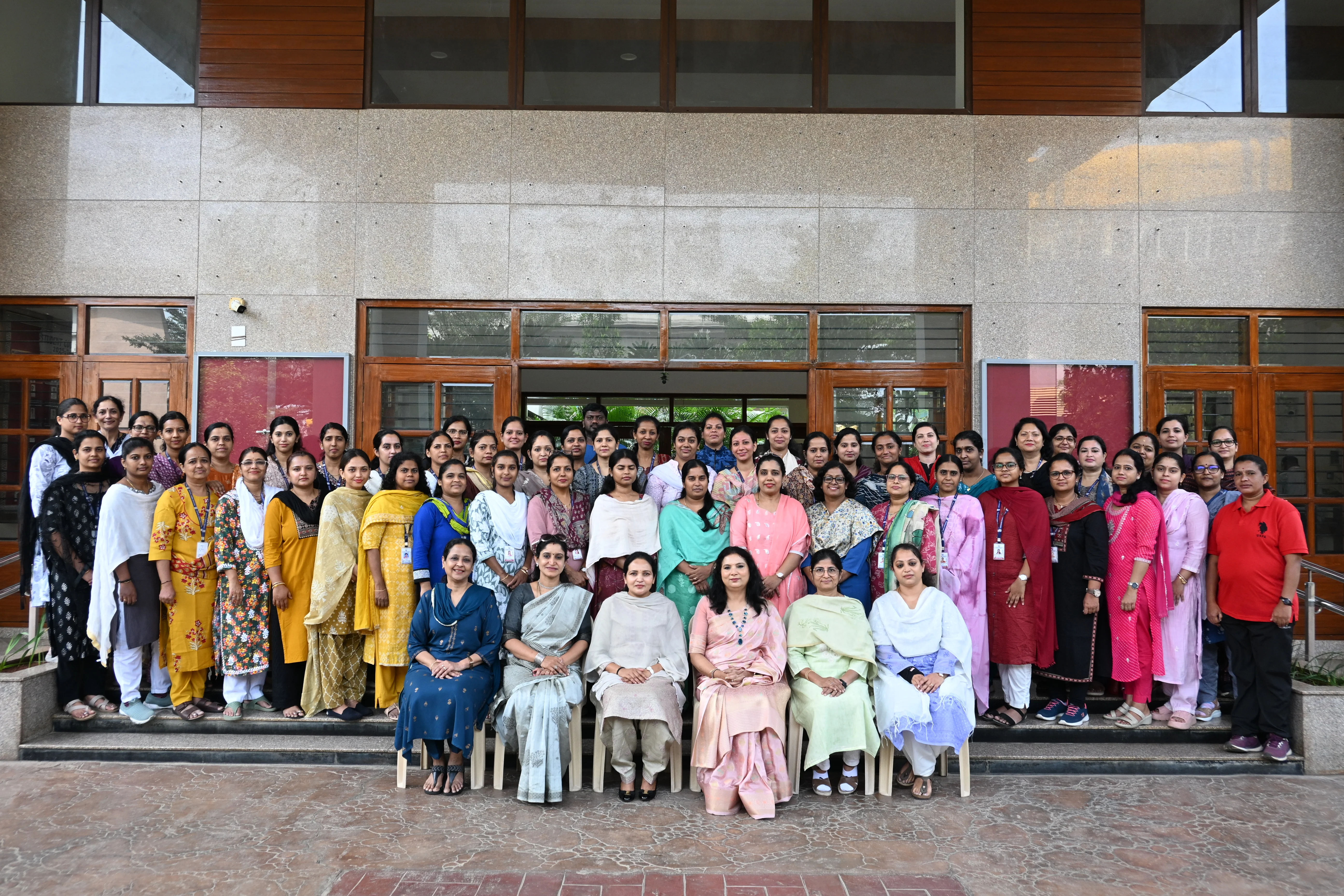
Practical Stress Management Strategies
The session introduced practical and effective strategies for managing stress, including mindfulness practices, relaxation techniques, deep breathing exercises, time management, positive thinking, goal setting, and maintaining a healthy balance between academics, recreation, and rest.
Teachers learned evidence-based techniques that can be easily integrated into classroom routines and taught to students, empowering them with practical tools for immediate stress relief and long-term well-being management.
Building Resilience & Healthy Coping
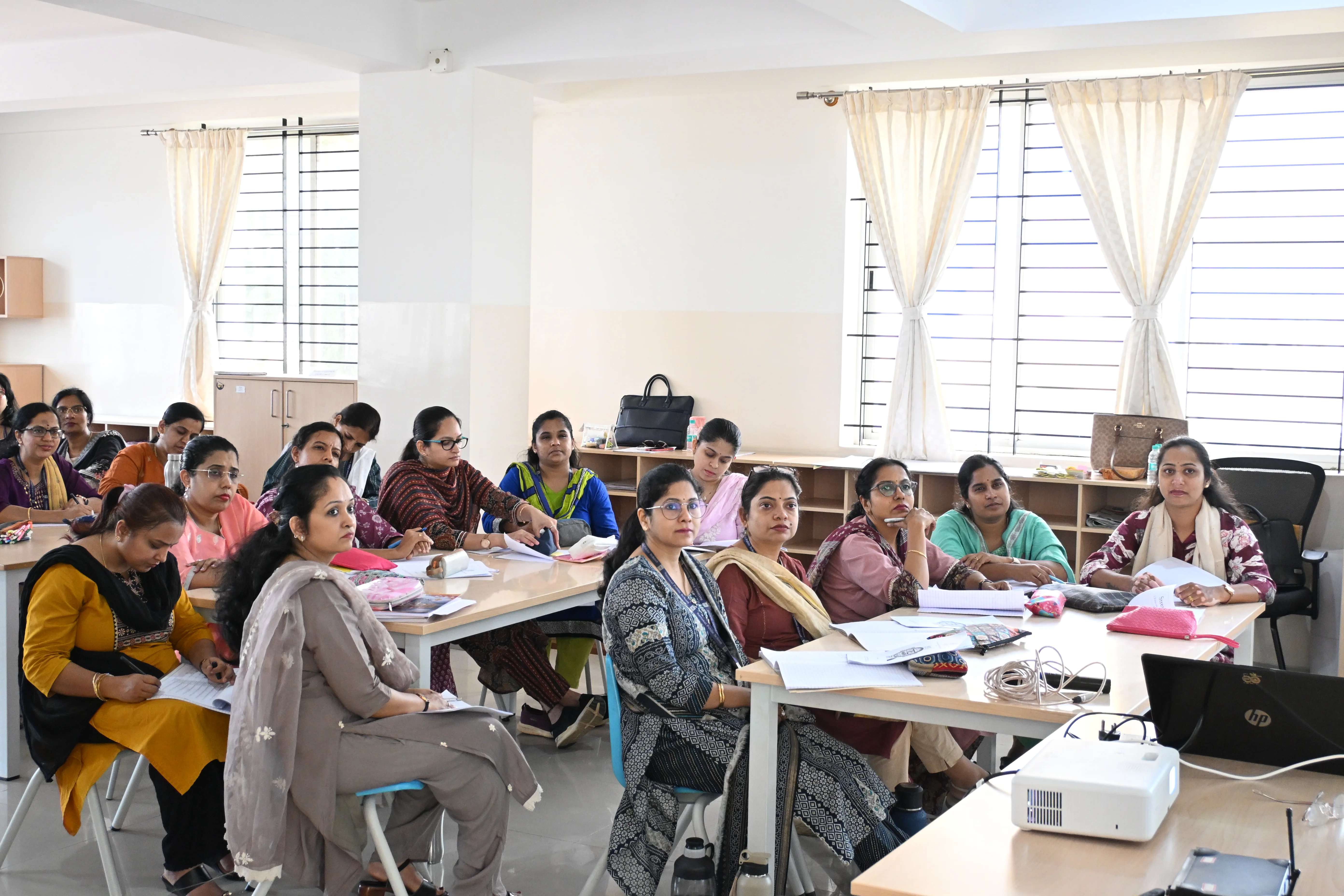
Participants learned the importance of developing resilience, emotional regulation, and healthy coping mechanisms to help students deal with challenges confidently. Interactive activities, group discussions, and real-life case studies enabled participants to explore ways of recognizing stress-related behaviours and supporting students with empathy and understanding.
The training emphasized that resilience is not innate but can be developed through consistent practice, supportive relationships, and exposure to manageable challenges that build confidence and emotional strength.